


Solar panel system installation for homes and businesses
We'll help you find the solar solution that's right for your home or business. Solar panels, inverters, batteries, and all necessary accessories in one place, with transparent quotes and installation support.
When should you consider a solar panel system?
-

High electricity bill
If monthly consumption is significant, a well-sized solar panel system can reduce energy costs in the long run.
-

Higher energy demand
With a heat pump, air conditioning, electric car or working from home, consumption can easily increase.
-

Mindful Home Improvement
When building a new property or renovating, it's worth thinking ahead about generating your own energy.
-

Battery expansion plan
If you wish to add a battery storage system later, it's important to consider compatibility already during the system design.
Tájékoztató rendszerpéldák
Napelemes rendszerárak kivitelezéssel
Az alábbi példák segítenek nagyságrendileg eligazodni a különböző méretű lakossági napelemes rendszerek között. A feltüntetett árak induló rendszerárak, amelyek standard telepítési körülményekre vonatkoznak.
Kisebb fogyasztású otthonokhoz
5 kW-os hibrid inverteres rendszer
Kisebb vagy mérsékelt fogyasztású családi házakhoz ajánlott rendszer. Az induló ár jellemzően kb. 10–12 db napelem panelt, 5 kW-os hibrid invertert, tartószerkezetet, kivitelezést, beüzemelést és szolgáltatói ügyintézést tartalmaz.
Induló rendszerár:
2.090.000 Ft-tól
Átlagos családi házakhoz
10 kW-os hibrid inverteres rendszer
Átlagos vagy nagyobb energiaigényű otthonokhoz ajánlott méretkategória. Az induló ár jellemzően kb. 20–24 db napelem panelt, 10 kW-os hibrid invertert, tartószerkezetet, kivitelezést, beüzemelést és szolgáltatói ügyintézést tartalmaz.
Induló rendszerár:
2.690.000 Ft-tól
Nagyobb energiaigényhez
15 kW-os hibrid inverteres rendszer
Nagyobb fogyasztású családi házakhoz, hőszivattyús rendszerekhez vagy jelentősebb elektromos fogyasztás mellé ajánlott megoldás. Az induló ár jellemzően kb. 30–36 db napelem panelt, 12–15 kW-os hibrid invertert, tartószerkezetet, kivitelezést, beüzemelést és szolgáltatói ügyintézést tartalmaz.
Induló rendszerár:
3.790.000 Ft-tól
Egyedi igényekhez
20 kW feletti egyedi rendszer
Nagyobb ingatlanokhoz, vállalkozásokhoz vagy kiemelt energiaigényű felhasználáshoz egyedi rendszerajánlat készül. Ilyen méret felett a pontos ár a fogyasztási adatok, a hálózati feltételek, a tetőfelület és a kivitelezési körülmények alapján határozható meg.
Rendszerár:
egyedi ajánlat alapján
Az árak tájékoztató jellegűek, és nem minősülnek végleges ajánlatnak. A pontos költség függ többek között a rendszer méretétől, a választott berendezésektől, a tető adottságaitól, a mérőhely állapotától, a kábelnyomvonaltól, az engedélyeztetési feltételektől és a helyszíni kivitelezési körülményektől.
What are the main components of a solar panel system?
-

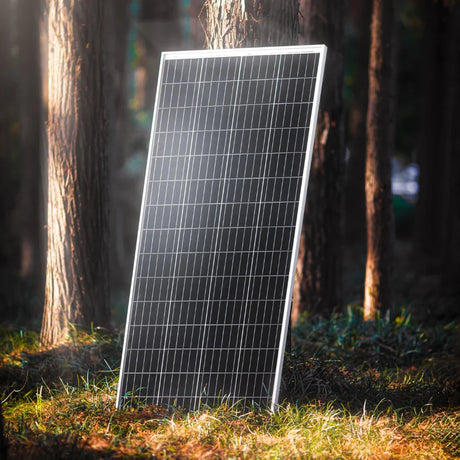
☀️ Solar Panels
Solar panels generate the electricity that forms the basis of the system. Their performance is influenced not only by the type of panel but also by the roof's orientation, tilt angle, shading, and available surface area.
-

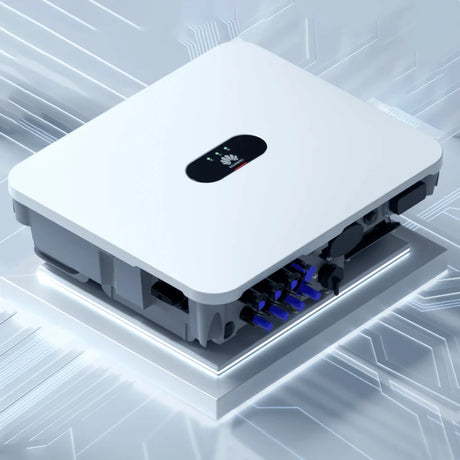
⚡ Inverter
The inverter converts the direct current produced by the solar panels into alternating current that can be used in the home. It also connects the system to the building's electrical grid and, in many cases, provides online monitoring.
-

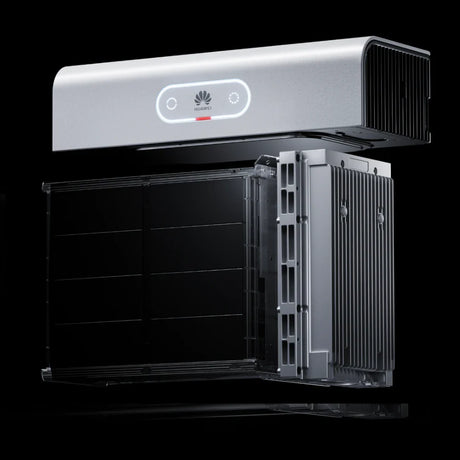
🔋 Battery
The battery stores energy generated during the day but not immediately consumed for later use. This increases the rate of self-consumption, and in some systems, backup power can also be provided in the event of a power outage.
How does solar panel system installation work?
Selecting a solar panel system involves several steps, so it's important that the offer isn't just a list of products, but a well-thought-out technical proposal. The goal is to create a solution tailored to your consumption, property, and future plans.
1. Needs Assessment
We review annual consumption, property characteristics, roof type, orientation, and potential future energy needs.
2. Technical Proposal and Offer
Based on the collected data, we prepare the appropriate system size, inverter, solar panels, and, if necessary, battery storage solutions.
3. On-site Survey
Before installation, we finalize the technical details, roof structure, cable routes, and installation conditions.
4. Permitting and Administration
We assist with the electricity provider processes and the preparation of necessary documentation.
5. Installation and Commissioning
After the system installation, inspection, commissioning, and handover of basic usage information take place.
6. Handover and System Monitoring
The operation of the completed system can be tracked online, allowing you to monitor production and system status later on.
Solar panel system installation in pictures


Why should you consider a solar panel system?
More predictable energy costs in the long term
More predictable energy costs in the long term
The purpose of a solar panel system is for the property to generate its own electricity, thereby reducing the amount of power drawn from the grid. The exact payback period always depends on consumption, system size, roof characteristics, and current billing conditions.
Own Energy Production for Home or Business
Own Energy Production for Home or Business
A well-sized system can directly cover a significant portion of daily consumption. This can be particularly advantageous when using air conditioning for heating, a heat pump, an electric car, or in cases of higher household consumption.
Greater independence can be achieved with a battery
Greater independence can be achieved with a battery
With a hybrid inverter and energy storage, energy generated during the day but not immediately used can be utilized later. This can help increase self-consumption and, in certain systems, provide backup power in the event of an outage.
Value-adding investment in the property
Value-adding investment in the property
A modern, documented, and professionally installed solar panel system can increase the technical value of a property. This can be especially important if the energy efficiency, maintenance costs, and future-proofing of the building are also considerations.
Online monitoring and transparent operation
Online monitoring and transparent operation
Most modern inverters can be monitored via an online interface or a mobile application. This allows users to see production, a portion of consumption, and, in hybrid systems, the battery charge level and operation.
Frequently Asked Questions
How much does a solar panel system cost?
How much does a solar panel system cost?
The exact price depends on the system size, roof characteristics, inverter type, potential battery storage, and installation conditions. A smaller residential system is typically an investment of several million forints, so it is always advisable to prepare a customized quote based on consumption and location.
Can solar panels be installed on every house?
Can solar panels be installed on every house?
Not in all cases. The orientation, pitch, shading, load-bearing capacity of the roof, and the condition of the electrical network are also important. Most family homes offer good solutions, but this can only be confirmed after a preliminary assessment or technical consultation.
What if the weather is cloudy? Then it doesn't work?
What if the weather is cloudy? Then it doesn't work?
Solar panels also generate electricity on cloudy days, just less than in strong sunshine. The system truly matters on an annual basis: the goal is not to generate the same amount every hour, but to reduce electricity bills and increase energy independence in the long run.
What happens in case of a power outage? Will there still be electricity then?
What happens in case of a power outage? Will there still be electricity then?
Typically, a grid-connected solar power system shuts down during a power outage for safety reasons. To have backup power, a system designed with batteries and a backup function is required. It's advisable to decide this during the planning stage, as not all inverters and batteries are suitable for this purpose.
How long does the installation take?
How long does the installation take?
On-site installation at an average family home typically takes 1–2 days. The entire process may take longer, as needs assessment, design, permitting, and service provider administration are also part of the work. The establishment of a small-scale power plant is subject to prior notification and approval.
Is the battery mandatory?
Is the battery mandatory?
Not mandatory. A solar panel system can work well without a battery, especially if there is electricity consumption during the day. It is worth choosing a battery if the goal is greater self-sufficiency, evening energy consumption, or backup power in case of an outage.
Can the system be expanded later?
Can the system be expanded later?
In many cases, yes, but this should be considered during the initial design. The type of inverter, the available space on the roof, battery compatibility, and grid connection conditions all affect how easy expansion will be later on.