



Why are more and more people choosing heat pumps?
Learn the most important facts – and request a personalized offer

The Future of Modern Heating in Your Home
A heat pump is an economical, environmentally friendly technology that can provide heating, cooling, and hot water for your home – with significant energy savings.
A well-chosen heat pump system can reduce your energy consumption by as much as 60–70% compared to traditional heating systems, while ensuring stable and cost-effective operation in the long term.
✅ An ideal choice for both new builds and homes under renovation.
-

Up to 70% lower energy consumption
-

Low maintenance, no combustion products
-

Reduces your home's carbon footprint
-

Heats, cools, and provides hot water all in one
A single system, multiple solutions
-
🏠 For Builders
If you are planning to build your home now, it is worth considering a heat pump already in the design phase. It is an excellent choice for low-temperature heating – such as underfloor or wall heating – and one device takes care of heating, cooling, and domestic hot water supply.
-
🧱 For Renovators
If you want to replace your outdated gas boiler with a more modern one, an air-to-water heat pump can be a cost-effective, modern alternative. With proper sizing and auxiliary tanks, it can even be operated with a radiator system.
-
💧For those seeking comfort
Many people want to solve their home heating and hot water supply in one go – without separate appliances and high utility bills. A heat pump not only heats efficiently but also produces hot water, allowing you to create a more comfortable and cost-effective home environment with a single system.
How does a heat pump work?
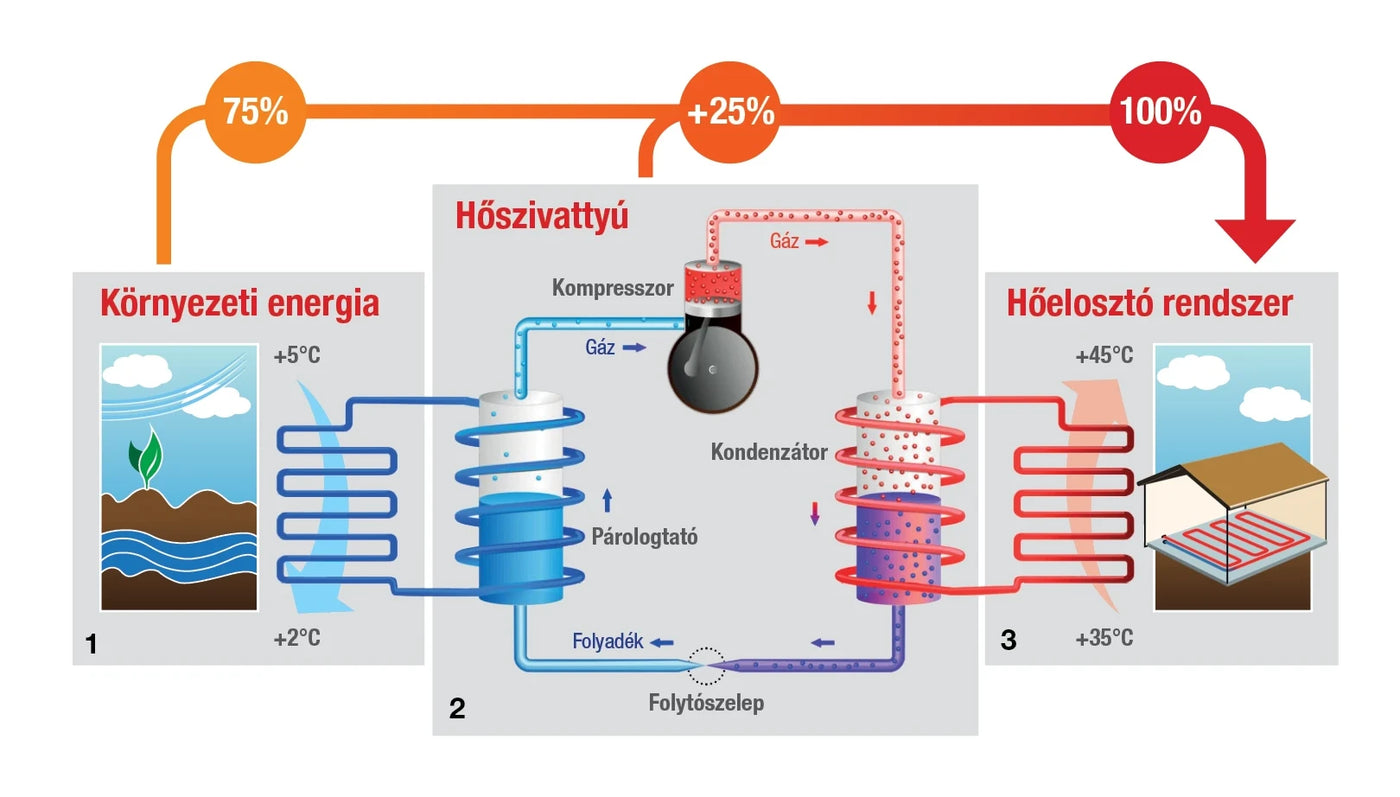
A heat pump is a device that utilizes energy from the environment – for example, from the air – and uses it for heating or hot water supply purposes. Although it runs on electricity, it can generate several times that energy in the form of heat, making it extremely efficient.
The most commonly used air-to-water heat pumps extract heat from the outdoor air and transfer it through a closed system to the building's heating system – for example, underfloor heating or radiators.
Operation occurs in three main steps:
1. Heat absorption: The outdoor unit extracts heat from the air using a refrigerant, even in cold weather.
2. Temperature increase: The heat energy thus obtained is raised to a higher temperature with the help of a compressor.
3. Heat release: The indoor unit releases this heat through the water circuit to the heating system or the hot water tank.
Modern units feature inverter control, meaning they always adjust their performance to current needs – this results in lower electricity consumption, quieter operation, and a longer lifespan.
🔍 Did you know? The efficiency of heat pumps is indicated by the COP value:
For example, a system with a COP of 4.5 can produce 4.5 kWh of thermal energy from 1 kWh of electricity.
Why are more and more people choosing heat pumps?
✅ Outstanding energy efficiency
✅ Outstanding energy efficiency
A heat pump can produce several times the electrical energy it consumes in the form of heat. A high COP value (e.g., 4.0–5.0) means that 1 kWh of electricity can generate up to 4–5 kWh of heat.
✅ Environmentally friendly technology
✅ Environmentally friendly technology
The system does not use fossil fuels, produces no combustion products, and has significantly lower greenhouse gas emissions than a traditional boiler. This brings you one step closer to a sustainable home.
✅ Low maintenance
✅ Low maintenance
There is no need for a chimney, combustion chamber, or regular cleaning. Heat pumps operate in a closed system and rarely require intervention, even with their long lifespan.
✅ Stable, predictable operating costs
✅ Stable, predictable operating costs
A heat pump runs on electricity, so it is not dependent on the price or availability of gas. When combined with solar panels, operating costs can be reduced to almost zero.
✅ Value appreciation in real estate
✅ Value appreciation in real estate
The heat pump runs on electricity, so it is not dependent on the price or availability of gas. When combined with solar panels, operating costs can be reduced to almost zero.
"Anyone who chooses a heat pump today not only takes care of their own comfort but also saves energy, money, and the future."
Split heat pumps
A split system consists of two parts: an outdoor unit (compressor, fan) and an indoor unit, connected by refrigerant piping. The indoor unit can be an integrated DHW cylinder, which includes a domestic hot water tank of approximately 180–300 liters. This is a compact solution: there is no need to install a separate boiler or additional unit, and it fits into a smaller plant room. A separate indirect cylinder can be connected to the type without DHW, thus satisfying even greater hot water demand (e.g., in a house with multiple bathrooms).
Important information:
- Space requirement: 60–80 cm wide, freestanding indoor unit; additional space is needed for a separate cylinder.
- The outdoor unit is quiet, but fan noise is audible during operation (approx. 50–60 dB).
- Installation requires a technician with F-gas certification, as it works with refrigerant.
- The system allows for precise control, and the temperature can be accurately regulated.
Recommended use: for newly built or energy-efficiently renovated houses where an aesthetic and integrated solution is important.
Monobloc heat pumps
A monobloc is a fully integrated outdoor unit that includes the compressor, heat exchanger, control, and pump. The outdoor unit connects directly to the heating system on the water side, so no indoor unit is required. Control is carried out by a wall-mounted control unit, which is usually placed in the boiler room or near the living room. A buffer tank is a mandatory accessory for the system (usually 40–100 liters), which stabilizes the heating system, and a domestic hot water tank is also required if hot water is also produced.
Important information:
- Everything is in the outdoor unit, so water pipes come in from outside → adequate frost protection is required.
- Installation is simpler; no refrigerant piping is needed.
- Minimal indoor space requirement, only for the tanks.
- Usually faster execution, with lower labor costs.
Recommended use: for properties where there is no utility room, or where quick, simple installation is required.
Hydrosplit heat pumps
Hydrosplit systems also consist of two parts: an outdoor and an indoor unit. The difference is that a closed refrigeration circuit operates in the outdoor unit, and water is then transferred to the indoor unit. This means there is no need for refrigerant piping within the building. Such systems include, for example, heat pumps with R290 (propane) refrigerant – since propane cannot be routed indoors, it can only be installed in an outdoor unit, which is why it is manufactured in a hydrosplit design.
Key information:
- No F-gas piping, making installation simpler and cheaper.
- The two units are connected by a water pipe → frost protection is also important here.
- Often used for R290 models.
- DHW and buffer tanks can also be connected.
Recommended use: for those seeking the efficiency of a split system but with simpler installation, or for those who want an R290 system.
Personalized assistance – fast and professional response
More in-depth heat pump professional articles
View all
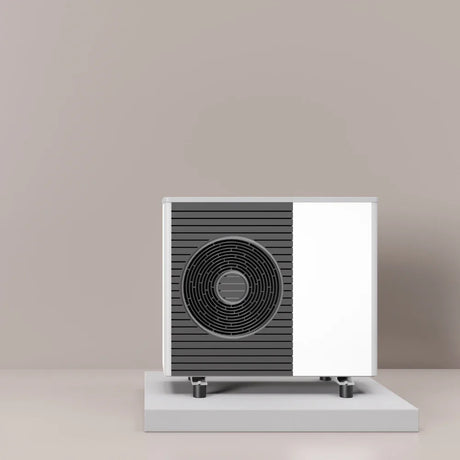
Explore our main categories
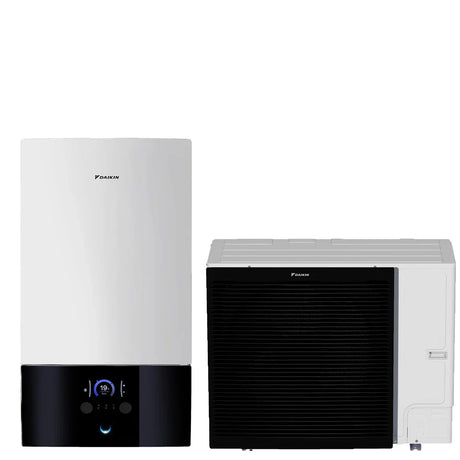
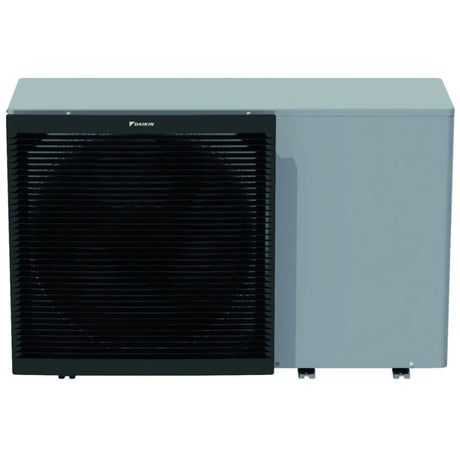
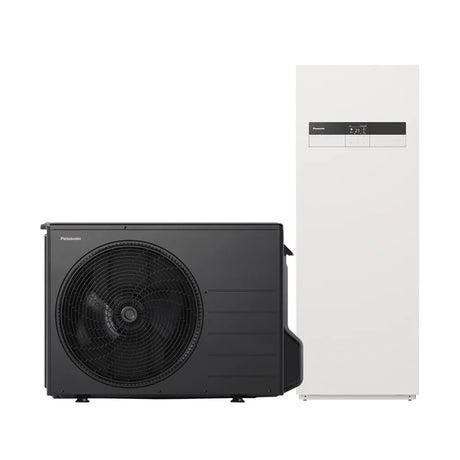
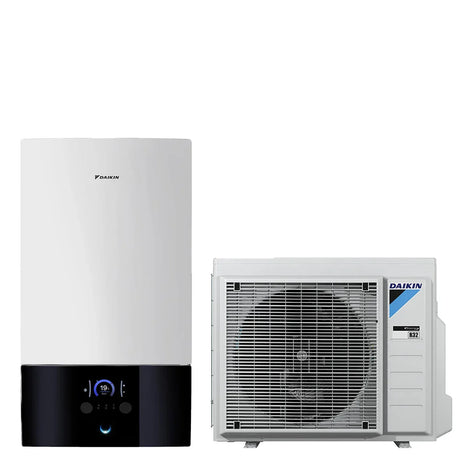
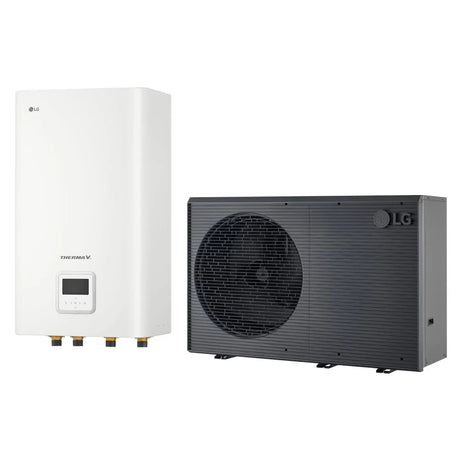
We have been working with these manufacturers for years










❓ Frequently Asked Questions About Heat Pumps ❓
How much energy does a heat pump consume per month?
How much energy does a heat pump consume per month?
For a well-insulated family house, monthly consumption during the heating season ranges from 200–500 kWh. This depends on the size, insulation, settings, and habits of the occupants. Inverter control helps optimize power consumption. With a solar panel system, operating costs can be reduced to almost zero. Hot water demand (domestic hot water) can also influence consumption.
How long does it take for a heat pump investment to pay for itself?
How long does it take for a heat pump investment to pay for itself?
Generally, the payback period is 6–10 years, but this depends on the property's characteristics and energy prices. If combined with solar panels, operating costs can be minimized. Government subsidies can further accelerate the payback. Due to its long lifespan (up to 15–20 years), this is a stable, predictable investment. The system can also increase the property's value.
What maintenance does a heat pump require?
What maintenance does a heat pump require?
The system requires little maintenance, but an annual inspection by a professional is recommended. During this inspection, the filters are cleaned, and the electrical connections and the refrigeration circuit are checked. It is also advisable to keep the area around the outdoor unit clean. Due to the absence of combustion products, there are far fewer potential faults compared to chimney systems. Maintenance costs are low and predictable.
How noisy is a heat pump in operation?
How noisy is a heat pump in operation?
The outdoor unit typically emits 45–60 dB of noise during operation. This is comparable to a quiet conversation or a refrigerator. Premium models also offer a silent night mode. Proper placement of the outdoor unit is important – it should not be too close to bedrooms or neighbors. A soundproof cover can also be used.
What type of property is it recommended for?
What type of property is it recommended for?
Most suitable for well-insulated family homes, new builds, or renovated properties. For older, poorly insulated homes, an energy efficiency upgrade is recommended first. It is most effective with underfloor heating systems but can also be used with radiators. Rarely applicable in apartment buildings and panel homes. An accurate on-site survey is essential in all cases.
How long does heat pump installation take?
How long does heat pump installation take?
Typically, installation takes 2–5 business days. This includes fitting the indoor and outdoor units, connecting the piping, and commissioning the system. If underfloor heating or a domestic hot water tank is also being installed, the process may take longer. The exact time depends on the complexity of the system and the property's characteristics. A partner contractor will help you plan this.
How much does a complete system with installation cost?
How much does a complete system with installation cost?
The cost of an average heat pump system suitable for a family home, including installation, ranges from approximately 2.5 to 5.5 million HUF. The exact amount depends on the power output, type (monobloc/split), accessories (buffer tank, domestic hot water tank), and the complexity of the installation. Additional costs may include the establishment of an electrical supply or possible permitting. It is advisable to request a complete quote with a detailed breakdown. This helps in understanding the real costs and options.
What system components are needed?
What system components are needed?
A complete system requires an outdoor and an indoor unit, a controller, a domestic hot water (DHW) tank (if not integrated), a buffer tank, safety valves, and circulating pumps. A heating manifold, temperature sensors, and frost protection devices may also be needed. The exact configuration depends on the building's characteristics and the system type. Some systems are compact, while others require the coordination of separate units. The installer can provide detailed assistance with this.
What types of heat emitters can be used with a heat pump?
What types of heat emitters can be used with a heat pump?
Underfloor and wall heating are the most ideal as they operate efficiently even at low temperatures. Low-temperature radiators can also be suitable if the heat-emitting surface is large enough. Fan convectors or fan-coil units can also be used. The heat pump should be selected to match the existing heating system. It is advisable to have the entire system sized by an expert.
What is the H tariff, and how can it be requested?
What is the H tariff, and how can it be requested?
The "H tariff" is a discounted electricity tariff specifically available for heat pump systems. It typically provides electricity at a lower price between October 15th and April 15th. To apply, an EPH declaration and a document issued by a registered electrician are required. The application must be submitted to the electricity provider. It helps further reduce operating costs.
-

Branded, reliable appliances
-

Expert help with choosing
-

Manufacturer's warranty, official source
-

In stock, immediate shipping


Do you have a question about choosing a heat pump?
Contact us by phone or email – our expert team is ready to answer any questions you may have and help you find the solution that best fits your needs.
Email: info@energiamegujitas.hu
Phone: +36 20 220 3049 | +36 70 513 3558
Opening hours:
Monday - Friday: 08:00 - 16:00
Saturday - Sunday: Closed